 How to choose circular guide rail? Checklist from load, cycle, layout to drive method
How to choose circular guide rail?
Ring guide rails are usually not selected by model first, but first by how the equipment is arranged, what kind of tooling each slide has, and how the workstations are connected. For projects with a tight space, check the route and fixture envelope first; for projects with a high cycle time or requiring frequent starts and stops, the load, acceleration, deceleration, and positioning methods must also be confirmed together.
If the project is still in the planning stage, you can first use the ring guide online selection system to complete the preliminary screening. After entering the equipment design, it is recommended to provide the layout diagram, load and cycle time, and have the technicians check it according to the actual working conditions.
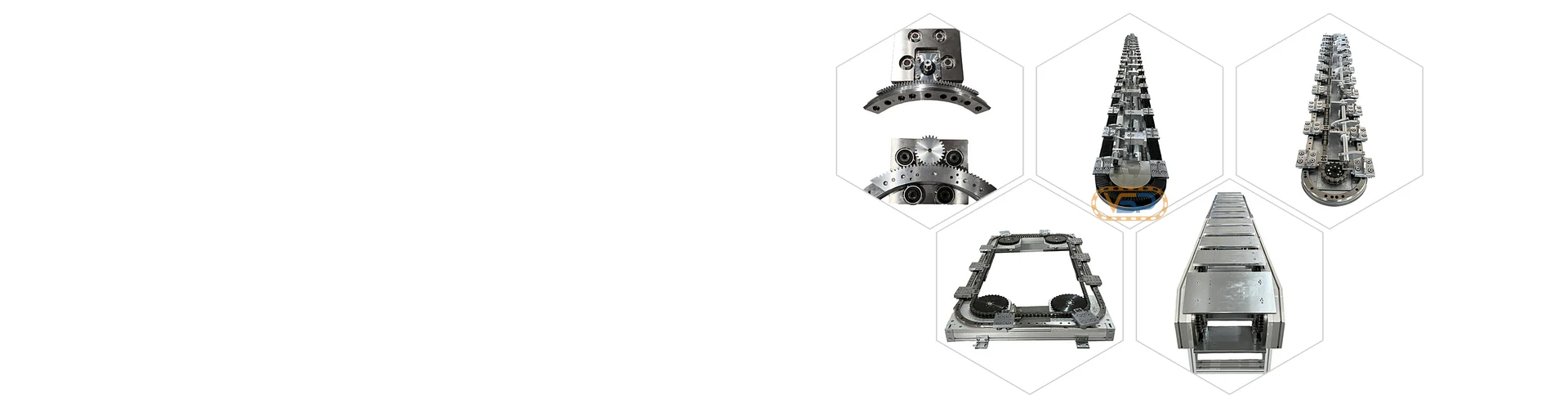
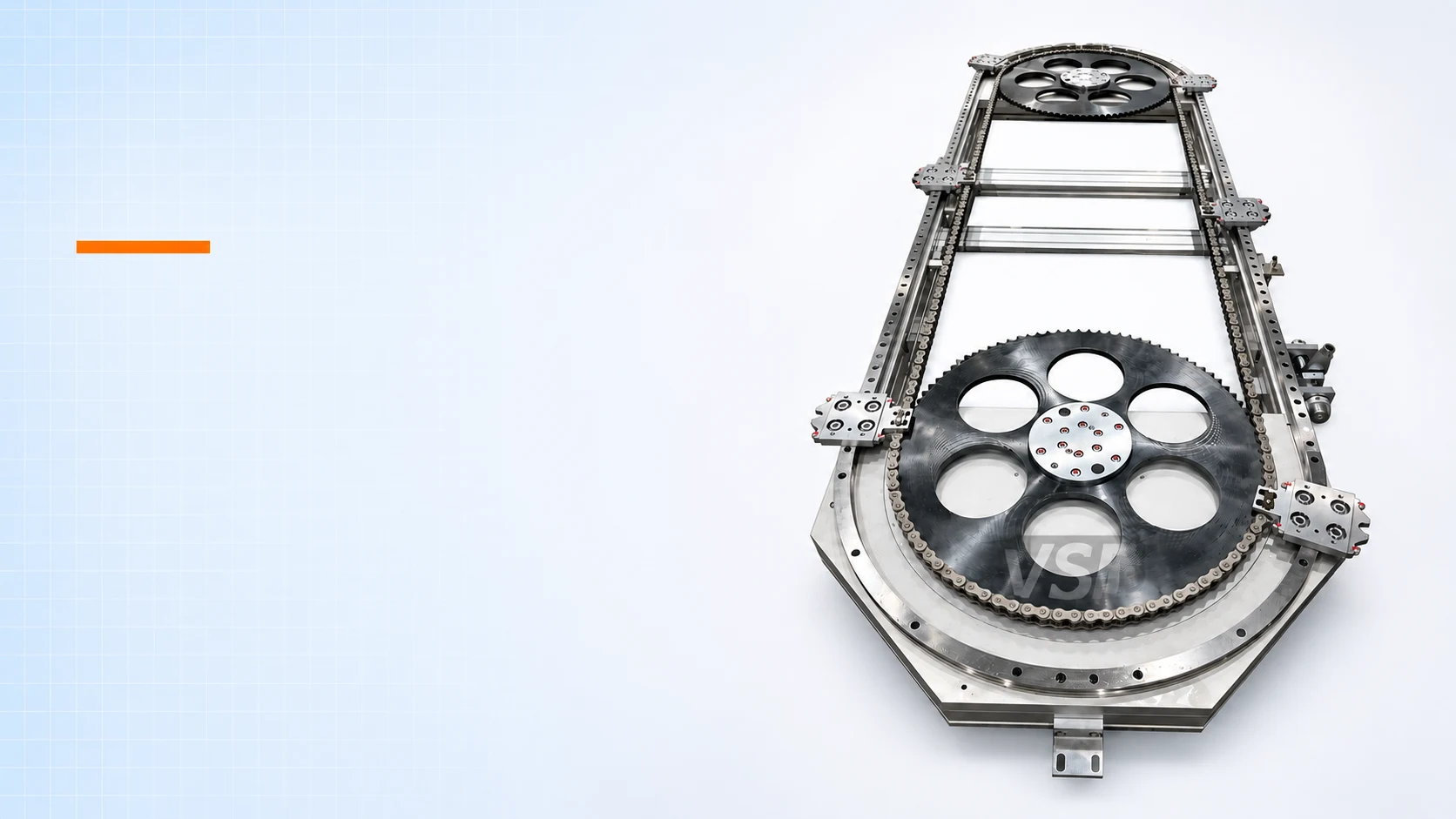
Common layouts include ellipse, rectangle, circle and arc splicing. The layout should not only be reserved based on the center size of the guide rail, but also consider the space for slides, fixtures, products, sensors, cables and maintenance tools.
The turning position should especially be checked according to the maximum sweeping range of the fixture. When the on-site space is tight, it is recommended to download the STEP drawing of the corresponding model and confirm whether there is interference in advance during the assembly of the whole machine.
The load during selection is not just the product weight, but also includes fixtures, fixtures, cylinders, cables and additional mass during movement. In addition to the total weight, it should also be stated whether the center of gravity of the tooling is offset and whether eccentric loading or impact will occur.
Provides single slide load, tooling dimensions and center of gravity position to help confirm guide rail specifications, slide form and drive margin.
The cycle time determines how the guide rail needs to move to complete indexing, stops, or continuous cycles. It is recommended to clarify the hourly production capacity, number of work stations, single movement distance, dwell time, and whether frequent starts and stops are needed during communication.
When the cycle time requirements are high, you should not only look at the maximum speed, but also check the acceleration and deceleration, load, positioning stability and drive matching at the same time. If it needs to be linked with robots, vision, dispensing or inspection equipment, this should also be explained in the planning stage.
Processes such as assembly, dispensing, visual inspection, and press-fitting have different positioning requirements. If the workstation requires secondary positioning, clamping or cooperation with external mechanisms, the positioning method, allowable errors and process actions should be explained in advance.
The guide rail is responsible for transportation and circulation, and the fixture and external mechanisms may be responsible for final positioning. Dividing the responsibilities of each part in advance can reduce repeated adjustments to the plan in the future.
Drive methods such as chains and timing belts have their own applicable conditions. The selection usually requires a comprehensive judgment based on load, cycle time, route length, operating frequency, site environment and maintenance requirements.
It is not recommended to decide directly on the basis of "chains are better for heavy loads" or "belts run quieter". Specific projects should still be subject to layout, process requirements and technical confirmation drawings.
Before submitting the selection, it is recommended to prepare these information
The selection of circular guide rails should start from the process and layout, and then confirm the load, cycle time, positioning and driving method. The more complete the information, the more accurate the technical solution and quotation confirmation will be.
When you have preliminary layout, load and work station information, you can first use the ring guide online selection system to select suitable guide rail forms and driving directions; if you need to confirm the final model, please also provide the layout drawing, tooling dimensions, single slide load, cycle time and positioning requirements.
Related content

Precision conveying systems · Products and service
Products
Chain-driven ring guidesBelt-driven ring guidesPrecision link conveyorsCurved and linear guide componentsMagnetic levitation conveyorsCam-link ring guidesAbout us
Company profileOur facilitiesCertifications VideosApplicationsApplications
Automotive & new energy Precision electronics assembly Consumer electronicsMedical devicesNew energyPrecision dispensingNews
Company news Industry news NewsContact us
Contact details WhatsApp Business
Contact details+86 18912659251
Links: